
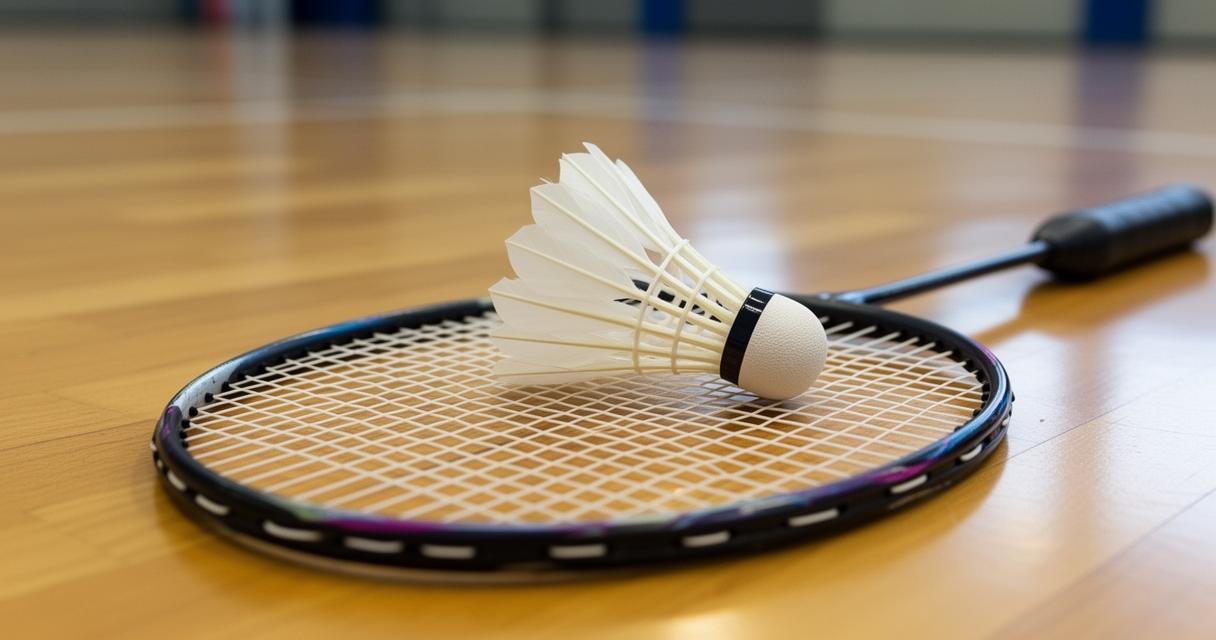
Badminton demands not only technical prowess and sharp tactical thinking but also a robust physical foundation that enables players to execute strategies with precision and consistency. The interplay between fitness and tactical execution is undeniable, as even the most astute game plan falters without the physical capacity to sustain high-intensity rallies and rapid court movements. By committing to targeted fitness and endurance programmes, players can transform their on-court decision-making and elevate their competitive edge to new heights.
Building a Foundation: Essential Fitness Components for Badminton Excellence
Establishing a solid physical base is paramount for any badminton player seeking to refine their tactical approach. The sport's demands extend far beyond simple cardiovascular fitness, requiring a harmonious blend of strength, speed, and stability. When players possess the physical attributes necessary to move explosively and maintain balance during complex shot sequences, they can implement tactical variations with confidence and control. This foundation is built through deliberate training that addresses the specific physiological requirements of badminton, ensuring that every movement on the court is supported by underlying strength and coordination.
Developing explosive power and court speed through plyometric training
Explosive power and rapid directional changes are hallmarks of elite badminton performance. Plyometric training offers a highly effective method for developing these qualities, as it conditions the muscles to generate maximum force in minimal time. Exercises such as box jumps, lateral bounds, and depth jumps train the neuromuscular system to respond quickly to the demands of sudden lunges and swift recovery movements. This type of training enhances agility and power transmission, allowing players to reach distant shuttlecocks and return to a strong court position with remarkable efficiency. By integrating plyometric routines into regular training sessions, athletes can expect measurable improvements in their ability to cover the court and execute aggressive tactical plays.
Enhancing Core Stability and Balance for Superior Shot Execution
Core strength training is crucial for badminton athletes, as it underpins stability and facilitates the transfer of power from the lower body through the trunk to the racket arm. The primary muscle groups targeted include abdominal, back, and hip muscles, all of which work in concert to maintain balance during dynamic movements. Exercises included planks, crunches, and various strength training routines that have been shown to yield significant performance enhancements. Research employing artificial neural networks has demonstrated that increased core strength training leads to better stability, with improvements of approximately twelve percent, alongside gains in agility of fifteen percent and power of eighteen percent. These enhancements translate directly to superior shot execution, as a stable core allows for more accurate placement and greater shot variety. Moreover, core strength training helps in injury prevention, reducing the likelihood of strains and imbalances that can sideline players and disrupt their tactical development.
Endurance training strategies to maintain peak performance throughout matches
Sustaining a high level of performance throughout an entire match requires not only initial fitness but also the endurance to resist fatigue as rallies lengthen and intensity escalates. Badminton matches can be unpredictable in duration and demand, with some rallies requiring bursts of explosive effort while others test aerobic capacity over extended periods. A comprehensive training programme that integrates endurance work ensures that players can maintain their tactical sharpness and physical responsiveness from the first serve to the final point. By developing both aerobic and anaerobic systems, athletes can manage the physiological stresses of competition and execute their game plans without compromise.
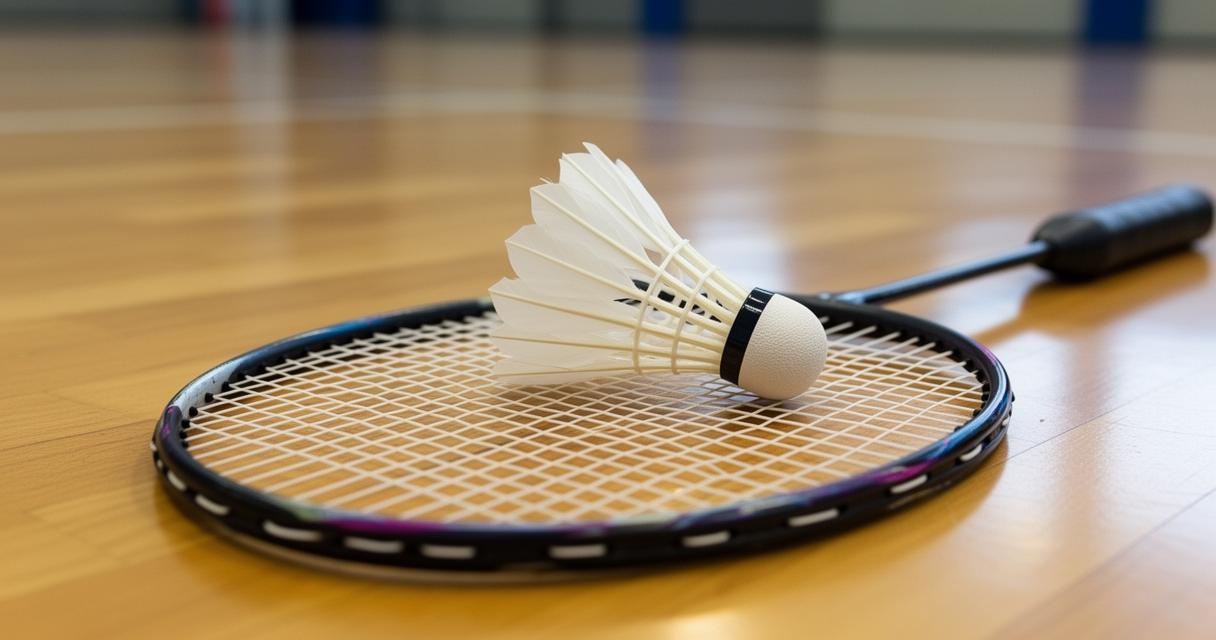
Interval training methods to replicate match-intensity scenarios
Interval training is an indispensable tool for preparing badminton players to cope with the ebb and flow of match play. This approach involves alternating periods of high-intensity effort with recovery intervals, closely mimicking the demands of actual competition. Such training protocols have been validated through rigorous methods including cross-validation and error metrics, ensuring their effectiveness in enhancing athletic performance. By repeatedly pushing the body to its limits and then allowing brief recovery, players develop the capacity to sustain repeated bursts of speed and power. This method not only improves cardiovascular efficiency but also trains the mind to remain tactically focused even when physical fatigue begins to set in. The ability to maintain peak performance throughout matches is a direct result of consistent interval training, which builds resilience and mental toughness alongside physiological adaptations.
Building aerobic capacity for sustained rally performance
While explosive movements capture attention, the aerobic system provides the underlying fuel that sustains performance over the course of a match. Building aerobic capacity enables players to recover more quickly between points and rallies, ensuring that each subsequent effort can be executed with optimal intensity. Longer, moderate-intensity sessions such as steady-state running, cycling, or court-based drills contribute to a robust aerobic base that supports both physical and tactical endurance. A well-developed aerobic system enhances oxygen delivery to working muscles, delays the onset of fatigue, and allows players to maintain concentration and decision-making ability throughout extended matches. This endurance foundation is essential for players who wish to implement varied tactics and adapt their strategies as matches evolve, as sustained energy levels provide the freedom to experiment and respond dynamically to opponents.
Integrating tactical development with physical conditioning programmes
The true power of fitness and endurance training is realised when these elements are seamlessly integrated with tactical drills and technical practice. Isolating physical conditioning from on-court work can lead to improvements in fitness without corresponding gains in competitive performance. By contrast, a holistic approach that combines strength, speed, and endurance work with tactical scenarios ensures that physical gains translate directly into better match outcomes. This integration requires careful planning and a clear understanding of how different training modalities complement one another, ultimately fostering a player who is both physically capable and tactically astute.
Structuring Training Sessions to Combine Technical Drills with Fitness Work
Effective training sessions weave together technical drills and fitness exercises in a manner that reflects the demands of actual play. For example, a session might begin with a warm-up emphasising core stability exercises, followed by plyometric drills to activate explosive power, and then transition into on-court movement patterns that incorporate tactical decision-making. By structuring sessions in this way, players develop the physical attributes necessary to execute their tactical plans while simultaneously refining their skills under conditions of fatigue. This approach ensures that fitness gains are not abstract but directly applicable to the nuances of badminton. Training protocols validated through comprehensive research support the notion that integrated sessions yield superior outcomes compared to traditional methods that separate physical and technical work. A comprehensive training programme integrating core strength, plyometrics, and endurance work is recommended for optimal performance, as it addresses the multifaceted demands of the sport.
Recovery Protocols and Injury Prevention for Consistent Training Progress
Consistency in training is the cornerstone of long-term improvement, and this consistency can only be maintained when players prioritise recovery and injury prevention. Overtraining and inadequate recovery can derail even the most well-designed fitness programmes, leading to setbacks that hinder both physical and tactical development. Implementing structured recovery protocols, including active recovery sessions, proper nutrition, and sufficient rest, ensures that the body can adapt to training stimuli and emerge stronger. Core strength training helps in injury prevention by fortifying the musculature around key joints and stabilising the spine during dynamic movements. Additionally, incorporating flexibility work and mobility exercises reduces the risk of strains and overuse injuries, allowing players to train consistently and progress steadily. Future research should focus on longitudinal studies and broader applicability to other racket sports, further validating the role of integrated training in enhancing performance and resilience. By committing to disciplined recovery practices, players can sustain the intensity and volume of training necessary to refine their tactics and achieve their competitive goals.