Many people grapple with persistent discomfort in their lower back, often searching for practical solutions that fit seamlessly into their daily routines. Abdominal belts have emerged as a popular option, promising not only relief from pain but also enhanced stability and support for the core. These compression garments have sparked considerable interest among those seeking non-invasive methods to manage back pain while maintaining an active lifestyle. Understanding how these devices function and the broader health benefits they offer can help individuals make informed decisions about incorporating them into their wellness strategies.
Understanding how abdominal belts provide compression support and stability
The Mechanics of Compression: How Abdominal Belts Work to Support Your Core
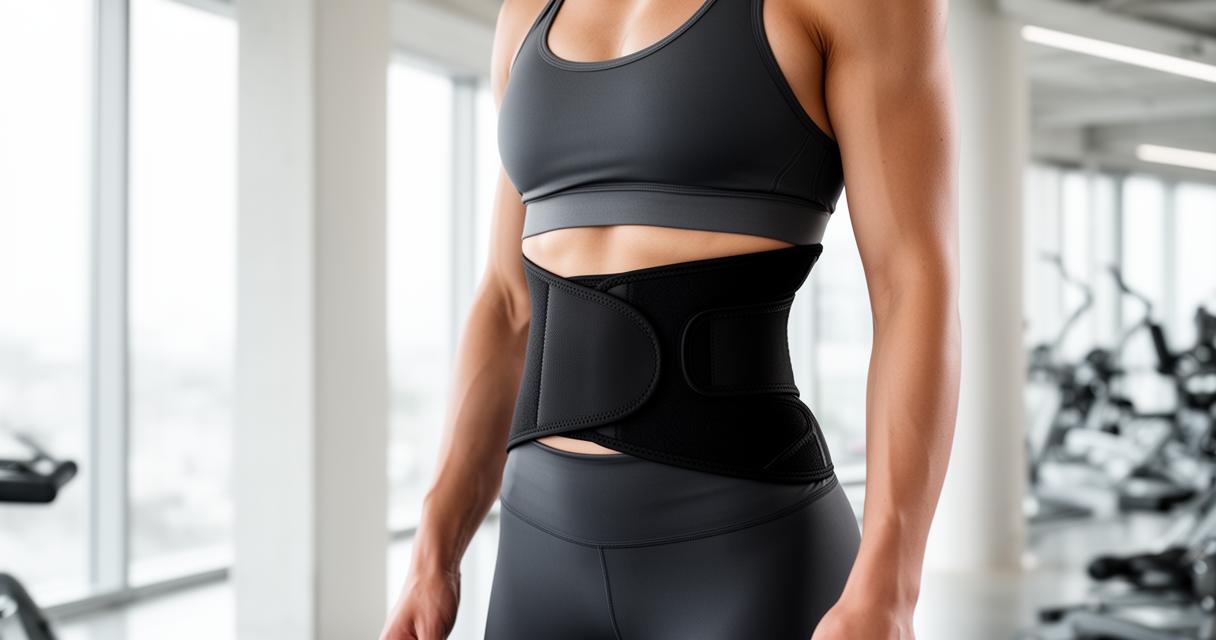
Abdominal belts operate by applying gentle yet consistent pressure around the torso, which helps to stabilise the lumbar region and reduce strain on the muscles and ligaments surrounding the spine. This compression support serves as an external reinforcement, allowing the natural structures of the back to work more efficiently without bearing excessive load. When worn correctly, these elastic lumbar belts create a supportive environment that encourages proper alignment and reduces the likelihood of awkward movements that might exacerbate pain. The design of these garments ensures that they distribute pressure evenly, which can alleviate the burden on specific areas prone to discomfort. By offering this external stabilisation, abdominal belts enable individuals to perform daily activities with greater confidence and reduced risk of injury.
Postural improvements and spinal alignment through consistent belt usage
One of the most significant advantages of wearing abdominal belts is their ability to promote better posture and spinal alignment. The compression provided by these devices gently reminds the wearer to maintain an upright position, which can be particularly beneficial for those who spend long hours sitting or standing. Over time, this consistent reinforcement can help retrain the muscles responsible for supporting the spine, leading to lasting improvements in posture even when the belt is not worn. Enhanced spinal alignment not only contributes to reduced pain intensity but also supports overall musculoskeletal health by preventing the development of chronic imbalances. Clinical studies have demonstrated that participants using elastic lumbar support belts experience notable reductions in functional impairment, as measured by tools such as the Oswestry Disability Index. These findings underscore the importance of proper posture support in managing and preventing low back pain, making abdominal belts a valuable tool for those seeking long-term relief and improved quality of life.
The Role of Abdominal Belts in Muscle Reinforcement and Core Strengthening
Enhancing muscle engagement during physical activity and daily movements
While some may worry that relying on external support could weaken the muscles, research indicates that abdominal belts can actually enhance muscle engagement when used appropriately. The compression provided by these garments encourages the core muscles to activate more effectively during physical activities, which can lead to improved stability and control. This is particularly relevant for individuals recovering from acute low back pain, as the belt helps to create a stable foundation that allows the muscles to work without being overwhelmed by excessive strain. Studies have shown that wearing an elastic lumbar support belt can modify muscle activity patterns, leading to reduced activation in certain abdominal muscles. This reduction does not signify weakness but rather reflects the fact that the belt is providing some of the stabilisation work, allowing the muscles to recover and strengthen gradually. By supporting the core during movement, abdominal belts enable individuals to engage in exercises and daily tasks with greater ease, fostering a more active and healthier lifestyle.
Supporting recovery and reducing strain during exercise routines
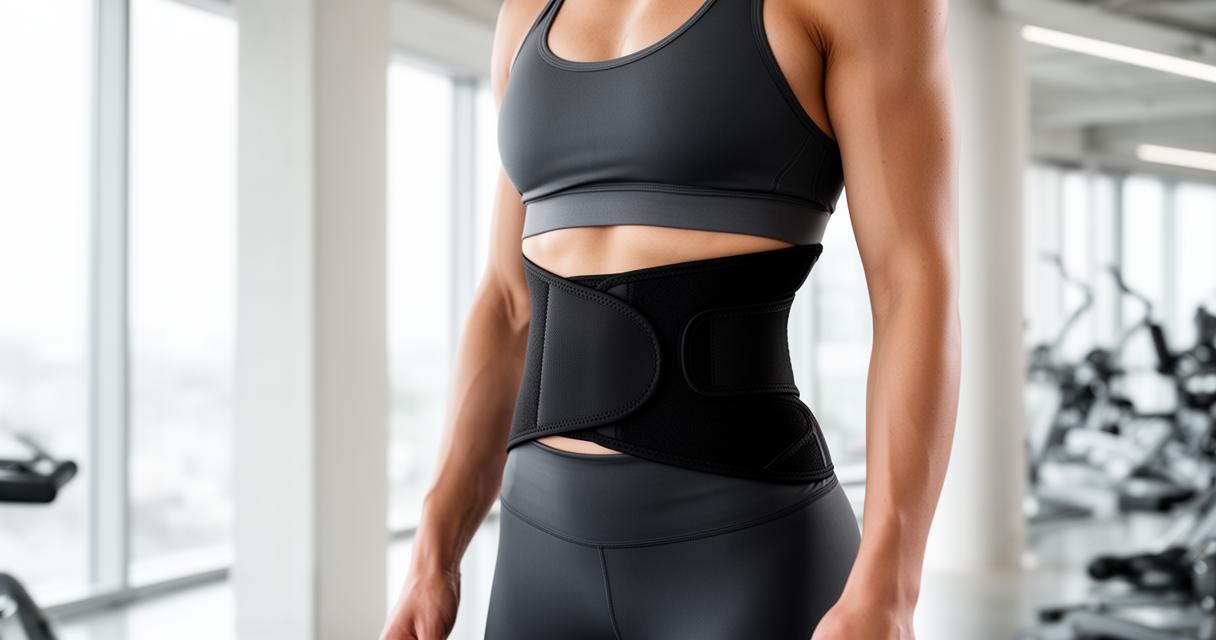
For those committed to fitness and exercise, abdominal belts offer a practical means of reducing strain and supporting recovery. During workouts, especially those involving lifting or twisting movements, the lumbar region is particularly vulnerable to injury. By wearing a compression garment, individuals can protect their lower back while still challenging their muscles and building strength. This is especially important for people managing chronic low back pain, as it allows them to remain active without fear of aggravating their condition. The support provided by the belt helps to distribute forces more evenly across the torso, minimising the risk of sudden muscle spasms or ligament damage. Additionally, the gentle compression can promote better blood circulation, which aids in the delivery of oxygen and nutrients to the muscles, supporting faster recovery and reduced inflammation. Systematic reviews and clinical studies have confirmed that the use of lumbar belts during exercise routines can lead to enhanced pain relief and functional recovery, making them a valuable addition to any fitness regimen. It is important to note that while abdominal belts provide significant support, they should be used in conjunction with strengthening exercises and physiotherapy to achieve the best outcomes.
Health benefits beyond back pain: blood circulation and fitness enhancement
Promoting Better Blood Flow and Reducing Inflammation with Compression Wear
The benefits of abdominal belts extend well beyond the immediate relief of back pain, as these compression garments can also play a role in improving blood circulation and reducing inflammation. The gentle pressure applied by the belt encourages venous return, which helps to prevent the pooling of blood in the lower extremities and promotes more efficient circulation throughout the body. This improved blood flow can contribute to reduced swelling and discomfort, particularly for individuals who spend extended periods on their feet or who experience chronic oedema. Enhanced circulation also supports the delivery of essential nutrients and oxygen to the tissues, which is vital for healing and maintaining overall health. For pregnant women or those in the postpartum period, belly bands and similar compression garments offer additional support by alleviating pelvic girdle pain and providing gentle pressure that can reduce discomfort associated with pregnancy. A significant proportion of women report experiencing low back pain and pelvic girdle pain during pregnancy, and the use of supportive garments has been shown to decrease these symptoms and improve daily functioning. By addressing both pain and circulation, abdominal belts offer a comprehensive approach to health that goes beyond simple symptom management.
Maximising fitness results through strategic use of abdominal support tools
Strategic use of abdominal belts can also contribute to maximising fitness results by enabling individuals to train more effectively and with greater confidence. When worn during workouts, these compression garments provide a sense of security and stability that allows people to push their limits without fear of injury. This is particularly beneficial for those who are returning to exercise after a period of inactivity or who are managing ongoing musculoskeletal issues. The support offered by the belt helps to maintain proper form during exercises, which is crucial for preventing compensatory movements that can lead to further injury. Moreover, the enhanced muscle engagement and reduced strain associated with belt use can lead to more productive training sessions and improved overall fitness outcomes. Clinical studies have shown that participants who incorporate lumbar support belts into their routines experience not only reduced pain intensity but also improved functional recovery and mobility. It is important to use these devices as part of a balanced approach that includes regular exercise, proper posture, weight management, and professional guidance from healthcare providers such as spine specialists or physiotherapists. Gradually reducing reliance on the belt as strength and mobility improve ensures that the muscles continue to develop and that the benefits of the support are sustained over the long term. By combining the use of abdominal belts with a holistic approach to health and fitness, individuals can achieve lasting improvements in their well-being and enjoy a more active, pain-free life.